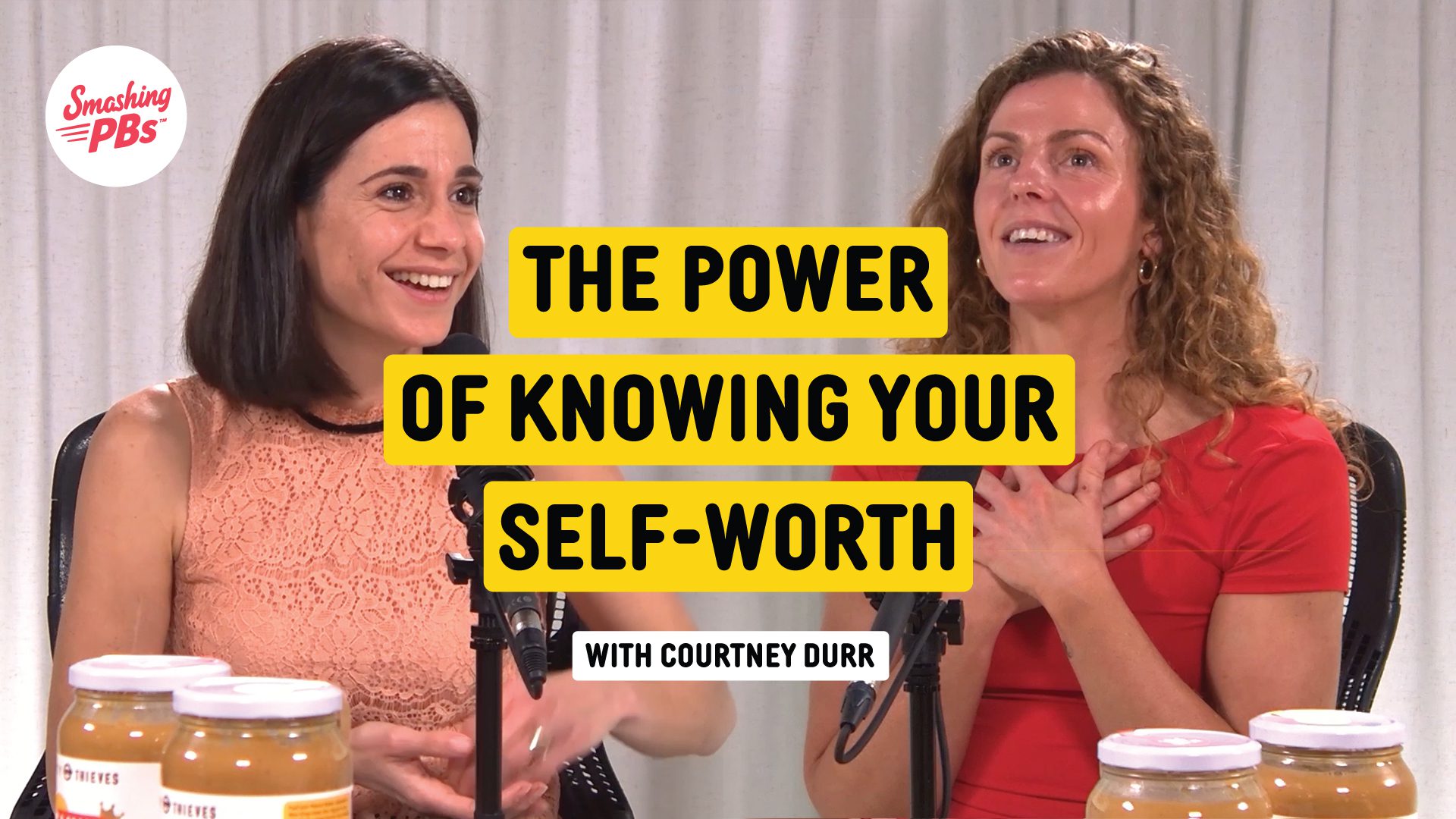
Thank you so much for having me. My day has been a little chaotic, if I’m honest.
Tell, tell me. I love chaos. I live at the Mount, so yeah, decided I would drive up on the morning. So I got up nice and early and went to the gym. And yeah, got the gym in, got some breakfast, got a good chair and then jumped on the road. And was very surprised by Auckland traffic. I’m just not used to the traffic at all. And we’re always in denial about it too. Yeah, always in denial about traffic. And also, I am a time optimist, so meaning I’m like, I’ve got enough time. And yeah, so the last sort of half an hour of the drive, I was like, I need to get there. And then, yeah, just getting here. So I was a bit frazzled, but you know. Well, you look fresh.
time optimist and me went over the other recordings so it was
worked out. Yeah it’s so funny just like I’ve been in the car you know on my own with my thoughts and I’m just like wow my thoughts are really you know go worst-case scenario and I’m like I need to get there and actually then I get here and it’s like wow it’s actually everything it’s okay Courtney like no one’s died we’re fine.
I love it though. I’m happy to be here.
Thank you for being here and thank you for taking the drive up. I’ve done that drive quite a few times and I thought there’s a few wobbly bits and then yeah, as you say, lots of traffic, so no, I really appreciate it.
I’m always interested in how things start. How do you, you know, I see who you are now, but how did you get here?
grew up in sports and yeah from basically since I could walk I was second child so and I was a typical second child which is like just like give me attention I have so much energy I’m just like a tornado whereas like my older sister’s like follow the rules and like just be a very good girl and I’m just like yeah chaos and wow I’m really talking about chaos a lot already but I yeah mum was obviously like hey we need to find an outlet for all this energy and so yeah got into sports at a really young age and yeah hindsight looking at what I do now as a coach working with groups and um you know focusing on coaching and encouraging I see where that really started and that’s like definitely in team sports um so yeah what sports did you play so my my main sport was interesting yeah in my head I was
like netball. Yeah, so I’ve played netball when in football and I basically played anything. Yeah, yeah. But he loves sports.
softball but softball it was super random so mum I think she just like read the newspaper and there was like tea ball like it for six year olds or something and so she’s like let’s go down so yeah I started playing tea ball and then yeah I played softball for about ten years and got to got to wear the New Zealand jersey for like the junior white socks yeah so that was like incredible and yeah just again like looking back in hindsight I realized how much I learnt through being in a team environment and just yeah the importance of community and having people around you to support you and lift you up the importance of like using your voice and you know being able to lead and kept in and then also just having coaches and the different types of coaches that I had throughout those years and like looking back who really supported me and whose coaching style didn’t help me the the power of thought and yeah so I when I I played softball at a really high level for about ten years but in my last I think it was about two years that I really stuck at it last two years of playing softball I started to really doubt myself and question my ability and I got really in my head and what is so fascinating to me is that I stopped being able to throw a ball so my mental ability was affecting my physical ability and so I remember I was going to Nationals and I was a catcher so as a catcher you catch the ball from the pitch and you throw it back to the pitcher and you’re throwing hundreds of balls like in a in a game and I started kind of yeah overthinking and doubting myself and I would throw the ball into the ground and then I’d throw the ball into the outfield and people who knew of my ability were like what’s going on and I just had nobody that could help me understand what was happening in my mind and every spiral of that
because I mean I like I definitely didn’t play any elite sports but I even in netball I was a shooter and I know that if you didn’t get that first goal yeah you pretty much yeah you’d lose your confidence unless maybe okay maybe second and third you know but then like it’s amazing how if you start the game well you seem to be able to go through but if you if you mess it up at the beginning something happens
Oh, absolutely. But with that example, that’s really interesting because that’s not what happens for everyone. If someone can miss a first shot and be fine, but that was the belief that you held. And so that’s what impacted the rest of your game.
And so I had my own beliefs about that. And so, yeah, it was quite traumatizing for a 15-year-old to have these expectations on me and also on myself and really embarrass myself every single game and be thrown into the outfield. And it’s wild. I’m just so fascinated by the brain and the body that even now when I get a ball in my hand and go to throw it, I’m sweating thinking about it, you know?
So it’s letting it start off so wonderfully.
Yeah, just turned. So it was a huge part of my identity. And then I made the decision to stop playing, because I just couldn’t deal with the embarrassment and the shame that I was experiencing. And so letting that go was really hard for me, because I let such a big part of who I was go.
And then I kind of moved into personal training and sports. And so that was kind of, I guess, that natural progression into that.
You started heading to the gym instead? Yeah.
So I was at school and my friend who I played a lot of sport with, she was like, I’m going to this like open day for like a sports institute. And I was like, what? There’s an open day? Like, you can study sports? Like I had no idea that you could even study sports. And so I remember going with her to this open day, coming home that day and being like, mum, this is what I want to do. And so I, yeah, I was just like so sure of it. And my mum and dad were just really supportive of like, whatever I wanted to do. They weren’t like, you have to do this. They were just like, sure.
If it brings you joy, like go and do it. Oh, that’s fantastic. And so, yeah, so I studied sport, but I wasn’t interested in like personal training or fitness necessarily, but like technique or I didn’t really, I didn’t really, it was just whatever helped me to play sport well. And so as a part of the study, we got to go into the gym and yeah, and then I guess like finishing study, I still didn’t know if I wanted to be a personal trainer, but I was like, I don’t want to lose what I’ve learned. So I’ll just, I’ll just go and work for gym. Yeah, I actually did. And yeah, I remember working at the gym and like the gym manager, he was like, you would be a really great personal trainer. Like have you thought about doing that? And before he said that, I just, I really doubted my ability to run my own business and be a personal trainer. And but I think just having that belief from an external source, I was like, oh, maybe I’ll give it a go.
And then yeah, fell into personal training. And so that’s kind of where the seeds were planted around coaching and community for sure. What I found over time was that I was like, yes, I love exercise. Like I’m still at such a core part of who I am. But what I thrive, what really like lit me up was hearing about people and the humanness and, you know, like really getting to know these people. And yeah, so I think that was really a big part of why I do what I do now is because I got to really, I guess, see behind the behind the curtain and really get to know these people, not just not just the mask that they show the world, but like that the authentic self, you know, who the messy, authentic, real self, which, you know, I fell in love with. And I was like, I just I want to know more about people. So yeah, there was such a big part of it.
Wow. And then I guess, I mean, there’s one thing to kind of want to learn more about people, but how do you turn that into a business? How did you decide that that was that was the route?
So, working at a gym, you hear a lot of messaging from other people of just, you know, your body is your marketing tool and what you look like matters and so I just remember being so hyper focused on what my body looked like and I’d just go through, yeah, just up and down with dieting and over training and getting injured and it was not ideal and it definitely wasn’t healthy and I remember I had one of the PTs at the gym, he’s again like one of my closest friends now, he really like took me under his wing and helped me to kind of see outside of actually just aesthetics and I kind of lost that love for sport and functionality because I was so focused on like, I need to, you know, look like a personal trainer and so I decided to sign up for Half Ironman and so with training for Half Ironman, you can’t be focused on aesthetics, you have to be focused on fuelling.
Just for any listeners, what does a half Iron Man include?
So Half Ironman is a 2K swim, a 90K bike, and then a half marathon, so a 21K run. And so, yeah, it was just everything, every part of training and life was about fueling, and yeah, so it was the, it was kind of, I think it was seven months of training, so I really let go of, like, I didn’t care about what my body looked like, I just wanted to perform well.
And I just remember crossing that line and being like, I feel so lit up, and I feel so alive, and I feel so healthy as well, and I just, I want to get rid of the scales, I want to get rid of, like, all of this, like, unhelpful conversation around what health looks like, and I want to kind of broaden what that is. So this was in 2014, so there wasn’t really, like, people weren’t talking about self-love or body love, they weren’t talking about mental well-being or anything like that, and I was just like, I want to talk about this, so, yeah. So I just, like, remember, I started my own, like, bootcamp on the outside of the gym, and I just said that this bootcamp is about community, and it’s not about comparison, it’s not about competing, it’s just about moving your body as a gift to your body, it’s about connecting with like-minded women and actually supporting each other, and it’s also about, yeah, broadening that lens of what well-being is, and so, yeah, we talked about gratitude, and I brought in other people to help them with workshops around goal-setting, and, you know, and just really understanding well-being in a way that wasn’t just about what you ate and exercise, and so, I guess, like, zoom out, and I think about, you know, I was so focused on, like, how much I was eating and all of that, and it was just like, but for what? Like, at what point do I actually get to enjoy this healthy body? At what point do I actually get to love this healthy body? You know, so, I think we see that with success, you know, it’s not just with, like, the way that we look, but it’s also, like, how much money we have, and things that, it’s like, when do we actually get to feel that sense of enough, you know? So, yeah.
I mean it’s I know it’s a cliche but it’s like it’s enjoying the journey you know it’s not always having like you have your goals but you have to if you’re only once you get to that goal because you’ve thought about it so much you’re already ready for the next goal yes so you have to enjoy the pathway to get there yeah um yeah that is so cool so you mentioned values um how does that come into your I guess teaching like do you do you get people to write down what they believe in or how does that tell me yeah
So when I was running these boot camps, I did, I had a woman come in and run a goal setting workshop and this was again like I think 2015 sort of time and I was very much in my like toxic positivity phase at that point where I was just like, yeah, that’s a whole other thing. But I just remember thinking like, yes, goal setting and like happiness and like that’s what we’re going to be focusing on and it was, it was an incredible workshop that focused on not only goals and values, but it also focused on like the inner critic and like the obstacles that are preventing you from that.
So it really like opened my mind to, to this world. But one of the really key takeaways from that workshop was around values and I’d never done like value work before. And now you won’t catch me not talking about values because of how much it has impacted my life personally and, and how much it has impacted my client’s life. But for me, when I think about values, I think about like my core essence and what makes me me. So, you know, I think when you don’t understand, when you don’t have a strong sense of self and a strong sense of your own values and your own essence, then what’s going to happen is you’re going to get caught up in everybody else’s idea of what success is. You know, this is what, this is what is a successful person. This is what will make you happy. This is what will make you fulfilled. But there’s no way that anybody else could possibly tell us that the only person that knows that is ourselves. And so I think for me, what values are as an anchor point to actually when I live my life based on what my core values are, then I will feel that genuine sense of fulfillment. I am able to make decisions much better. I am able to feel a sense of joy and I’m not as bothered by other people’s opinions because I’m like, that’s okay because we have different values and like this, this is the decision I’m making for my life. And you don’t have to understand that or like that.
I mean, that’s so much easier said than done. Oh, absolutely.
I feel like, especially in New Zealand, we, speaking maybe too broadly here, but you know, it’s a little bit of a, I guess, people-pleasing sort of society where we don’t want to make un-people that feel uncomfortable, and we might, but we’re very comfortable in making ourselves feel uncomfortable. Oh, absolutely. And so, yeah, we might, we’ll prioritize everybody else outside of ourselves, but then if we’re not living fulfilled lives, then we’re not actually very pleasant to be around anyway. So, it kind of doesn’t even make sense.
Absolutely. And I think with that, when I say, you know, I’m not as bothered about other people’s opinions, it’s like, I’m not as bothered.
It’s not the same. Believe me, I still can’t get out. I still care about what people think, but it is more the, when you do something that might go against what somebody else would agree with or understand, what you’re doing is you’re inviting a level of pain into your life. You know, like it’s like the pain through the risk of being abandoned or someone, you know, being angry at you or judging you. And so what values help is to give me a sense of this is why I’m making this decision. Because if I’m just saying, if I’m just letting people down or just going against the grain and I don’t understand why I’m doing it, then I’m not going, I’m not going to be as inclined to invite that pain in. Whereas it’s because some pain is actually important and necessary and we are going to upset people. And so I think if we know why for ourselves, then it makes it a little bit easier. It doesn’t make it easy, but it does, at least in my own experience, I know why I’ve done what I’ve done and why I’ve chosen to live the life that I live. Joy is a core value of mine. And it’s very important that I like every aspect of my life. Like I choose every aspect is there because I like it and it brings me a sense of joy, not 24-7. Like my job brings me so much joy, it does not mean that I love it 24-7. There’ll be parts of it that don’t work.
the hard bit, as you said, like that little bit of pain, you know, the hard bits might bring delayed joy.
Yes, that’s part of it. But if I didn’t have that sense of this is important to me, then I might follow the timeline that I think I’m meant to follow. I might work in a job that’s more financially secure. I might, you know, settle with that last relationship that I was in that was probably, I was probably going to get married to him and, you know, it would be okay, but like, not amazing. But it’s like, no, I, it’s really important to me that I love and choose everything in my life.
And so I, I let him down because, you know, I walked away from that relationship, even though it wasn’t that bad, it just wasn’t broken. Yeah, it wasn’t broken. There wasn’t anything terribly wrong, but I knew that this was not bringing me joy. This was not making, making me feel like I could be my best version of myself. And so I had to let him down and I had to hurt him, you know, in order to, to be truly aligned with what I want, you know.
That’s super brave. I think a lot of people do, I mean, with relationships, stay in them, whether it’s like a romantic relationship, like a partner, or whether it’s a friendship.
They’ll just stay in them because they feel like, yeah, they owe it to the other person to still show up, still be there. So that is, yeah, I guess I can see how if it doesn’t align with your value, you just have to let it go and be okay with them being uncomfortable. And I guess over time, they’ll get over it, and that might be part of their learning. Like that might be one of the things that shapes who they become. Exactly.
And I think, like, who am I to control how this other person feels? It’s my responsibility to live authentically and to be honest with myself and others. And whatever their journey is, is whatever. It’s not like I’ve intentionally gone out to hurt this person. It’s just that in my decision to do what’s right for me, it’s naturally hurt him.
But over time, it’s what’s best for both of us, you know? It’s like, you never want to be with someone out of obligation because you don’t want to hurt them and you’re trying to control them not feeling an uncomfortable emotion. It’s just like, actually, let them feel that uncomfortable emotion. Let them reflect on themselves and, you know, and let them not like me because that’s, yeah, that’s not my responsibility. Like, I know that I really understand that as I’m saying this, it’s like, oh, yeah, you just don’t care what people think. I know that it’s not that easy and it goes against like who we are and what we want to do. But I think that it’s really looking at the, I guess, zooming out and looking at the big picture. It’s like, if you keep abandoning your knowing and keep ignoring what you need, what does that look like in 12 months time? What does that look like in five years time, you know? And who, like, who will you become if you keep ignoring that, that kind of, that knowing?
So basically, there’s there’s like, I guess the people in your life, there’s room as long as you’re open and honest, there’s room for them to come to the table, you know, but then at the end of the day, if after time and time again, things aren’t getting better, they aren’t changing, then yeah, you that’s where your values come back in. Yeah.
And you’re, yeah, your value of in this instance, or what one of joy, like making sure that you’re not just like living through your life, you’re actually, you know, you’re following what, what, why you want to be here.
Absolutely. And like just on this topic, I think it’s so important to talk about because we then, even in the self-development world, can go into this like perfectionist way of thinking.
And so it’s definitely not to say that like I live by my values 100% of the time. Like there’s so many times where I won’t show up authentically because I’m scared because I’m putting on a mask or whatever it is.
And it can be exhausting as well. Sometimes it might be, give yourself a little bit of a break. Literally, I’d like-
Let me just put on this mask of happy, fun, joy, girl, because I can’t be bothered talking about something that I’m really struggling with. So I’m struggling with something, and I am choosing not to be authentic because I just can’t deal with it.
Again, if that was happening constantly, if that was becoming a pattern, and I was constantly disregarding my feelings and not showing up authentically, then that is going to affect me over time. So I think the key thing here is it’s not about being perfect, but just looking at those patterns that are showing up again and again, and being, oh, this is really hard, but being radically honest with yourself, not pretending like, it’s fine, which is what I was doing. A lot of the time, I was like, I have to be honest with myself.
Well, I feel, yeah, I mean, that’s definitely a trait that I’m sure a lot of people, like, don’t, that don’t allow themselves to have or they don’t have yet.
Smashing PB’s is brought to you by Forty Thieves, award-winning producers of New Zealand’s tastiest peanut butter, almond butter and superfood butters. Every spoonful is packed with protein, healthy fats and all the goodness you need for fuelling everyday and epic adventures.
Grab your next jar at your local Woolworths, New World, Pack N’ Save and the warehouse supermarkets and start smashing your personal
best not being a perfectionist or how do you how do you allow that to happen like in your teachings what do you how do you find your authentic self how do you know who you are yeah yeah
do you know who yourself, who your authentic self is? Yeah, I think the authentic self is, this is a conversation that I will have a lot with my clients and that we’re just like working this out together. But I don’t think that your authentic self is this like final state. I don’t think it is something, just another thing to get to. I think it’s something that you can experience in a moment. I think we all know when we are showing up authentically, and even if it’s just in a split moment where we’re in flow or we feel that sense of relief or elation or joy or time. Understood. Understood. I think that we can notice our authentic self in moments. So again, it’s not something to work to and get to, but it’s more something to notice.
And just like, and kind of being able to, oh gosh, I know that this is like over said, and it is also so rich coming from me, but like slow down enough to actually notice, you know? I think about even just when I’m eating, and again, I feel so hypocritical here guys, because I am like the world’s fastest eater. Like I’m like a vacuum cleaner, but it’s like cool. It’s like slow down and taste the flavors. Like really what I, and this is something that I do tell myself a lot, what are you rushing to? Like where are you rushing to? It’s that whole idea of like when I get the, you know, when I achieve the goal, when I reach that level of success, then I will feel how I want to feel when I finally get confident and do this and achieve this. Then I will finally be my authentic self and I can finally feel a state of, it’s like, no, no, no, we, we’re not, the only destination that we ever get to is death, you know? So really like, what are we rushing to? So for me, it is that reminder, slow down and notice, you know? I think there’s so much power and like actually noticing when we feel good and what, what are we doing and who are we around? What environments? How do we do more of that? And how do we do more of that? Yeah. And I think for me, like that move, my move to the mount, I’m from Wellington. I’ve been in Wellington for my whole life. Yes. And I remember the summer before where I, I left my, my ex and that whole year before leaving him, I was completely disconnected from myself because I wasn’t being honest with what I did.
needed. You didn’t have, you didn’t, you weren’t ready for that hard conversation. I was loved. You were just loving it.
I was avoiding, I was numbing, it was all of the things. And then I finally had the really hard conversation and I let someone down and then I remembered that summer, I went to the Mount just for a couple of weeks and I never felt so amazing.
I just was like, I just feel calm and joy, like I truly feel like my best self here. And that’s that noticing of like, wow, I really like who I am when I’m in this environment and it’s not to say I am like my best self because of the Mount, but it was more about what it consisted of, so the type of people that I was around, nature, ocean, sunshine.
visually a very beautiful place.
yeah just the colors and everything like that and so it was that like noticing of like oh this is these are the environments that make me as an individual feel really good and so yeah i think it is but you can’t you can’t notice if you don’t slow down you know sometimes you have to
stop the life you’re leading and actually put yourself in a whole different situation to realize. Yeah. Yeah. Yeah.
Oh, that’s pretty interesting. So yeah, and even just like, I think another thing that I’ve been trying to invite more of in my life is stillness and silence.
So again, I’m such a fast mover and I just am all about productivity and doing the things and crushing the goals and all of that. And so it’s just actually, if I take time to just be in silence, then I can actually listen to what my body is saying.
So interesting. So,
Lighthouse is my group coaching program. So it’s all online. We come together every week online on Zoom. And I take them through the structure of the program. So that’s the Lighthouse side of things. And that’s the core of what I do.
But I also do do retreats maybe once a year. It’s very intuitive if I’m feeling it. And that’s more in person. And I’ve also, for the last year, been running what’s called curious minds in the mount. And that’s bringing people together to journal and meditate. And so coming from that sporting background, I just know the power of community. And so Lighthouse is definitely more structured. And you are building quite a deep connection with yourself and the other people in the group. But yeah, just being able to give lots of different people different types of opportunities to come together and meet people. Bye-bye.
Most of the people, do they end up forming friendships and meet in real life?
Yes, honestly, that is one of my, I think, greatest joys in business, is seeing people become friends through, yeah, my facilitation. Like, I’m just like, oh, that’s just it.
You’re a new age matchmaker. Literally, yeah.
I’m like the friendship cupid. I absolutely love it.
And yeah, I have seen that because especially with Lighthouse, it’s three months of coming together for two hours a week to really, you’re talking about quite deep things. And a lot of the people, what they find is they are sharing a lot more about themselves that they would with even like their best mates. Because I think when with your friends and especially if you kind of were friends in school, you kind of feel like you have to hold this sort of, I guess, they see you as this type of person and you have to maintain that perception. And whereas like you come into a space like Lighthouse and you’re like, nobody knows me. I can be whoever the fuck I want. Sorry, that’s very, I can be whoever I want, you know? And so then it’s also like traveling, right? It’s like you go traveling and you’re like, nobody knows me, I can actually be who I wanna be. Get to test out different versions of yourself and then figure out. Yeah, that’s cool. And have fun with it and also not have fun with it. Sometimes it’s like intense and it’s scary, but it’s being in those, I think what cultivates that friendship is the vulnerability, you know? It’s just being able to be like, actually, I’m not perfect. Actually, I am struggling. Actually, I don’t know what the fuck I’m doing. Sorry. That’s all right. I’m gonna say swear away with your passion. Yeah, that’s okay. But it is that like, yeah, putting down the masks of who you think you should be and letting people see who you are. And it’s so wild because I think we think that we need to be perfect in order to be loved. But in my experience, when people show me their human selves and when they are perfect, I’m like, I see me in you and it makes me love you even more, you know? So it’s like, it’s so funny. We hold ourselves to the standard of perfection in order to be loved, but really it’s like our humanness that people just, you know, feel close with.
So I love that. I was going to come back to something that you mentioned earlier, which was toxic positivity.
How do you join Lighthouse? Is it people that are generally, I guess, are they feeling low and they want a way? Because then it becomes a bit of a therapy session. But then how do you then avoid negativity if everybody is sharing all their most painful bits? And then how does that tie into what you were talking about earlier? Such a good question.
Yeah, I love it. So I am a self-worth coach. I’m a coach, a life coach. I am not a therapist.
And really, it’s been huge for me to make sure that I draw that line and I know the difference. And so what I would say is that the type of people that I work with are people that are kind of living on that, like, yeah, things are OK. They’re not going through anything significantly traumatic. And that would require therapy, I guess. That would require therapy. But they kind of feel stuck. Maybe they’re looping on, you know, just negative, unhelpful thought patterns or habits. Maybe they have the sense of like, I just really want more for myself, but I just keep doing the same stuff over and over again. So it’s that sense of, yeah, kind of being, feeling a bit average, but meh, that’s, like, what I find that that’s kind of that baseline. But I also, what I’ve noticed is a lot of people that I work with are in transitional times in their life. And what I mean by that is they’re going from essentially one identity into another. So whether that’s going from being a student into the workforce or whether that’s, you know, becoming a mother or moving to a new city, leaving or entering a relationship, they’re kind of going from, this is who I was, and now this is, and this is who I’m stepping into, but that’s uncertain.
And that’s, I think I kind of, I help people navigate that uncertainty because it’s terrifying, right? Like, you’re just like, when it, when you don’t know what is ahead of you, your brain is negatively biased and it will go to worst case scenario. And so having the support of a coach, tools, and a like-minded community is like, okay, let’s navigate this uncertainty together. So that you can kind of step into this next chapter more intentionally. So yeah, so it’s definitely- Everybody needs that. Literally, but this is, okay, don’t yell, Courtney. We’re passionate about this. But I just, I’m like, everybody needs this. I need this, literally everybody needs this. And I think about it as, you know, it’s just support, whether that’s a support of like a personal trainer or a physio or a mentor or whatever it is, it’s like, it’s just those support systems that help us see it outside of ourselves. You know, we can be very much in that, I guess, like, you know, tunnel lens of we can’t see what we’re struggling with. And sometimes we just need somebody that’s like, that sees our potential. Like, I think, again, I bring it back to the, my coaches and some of the coaches that I will forever remember are the ones that saw my potential when I did it. You know, that will,
So you were driven by the more positive, you know, yeah, the positive estimations not like, you know
try harder exactly and that was the case like I had one coach that was just like he just always focused on what I wasn’t doing well of and he just thought you know I’m not gonna talk about the airy-fairy stuff that’s that’s not important this is what you’re doing wrong and I just I just shrunk I just like was so focused on what I was doing wrong that that because that amplified like a group yeah
almost like a cancer, you know, like that. 100% cancer.
So it was that like, I’m just constantly focusing on what I’m not doing and then I’m continually doing more of that. And so yeah, it’s, so then it’s how do we, what’s toxic positivity and what’s genuine positivity?
Because I’m certainly not saying that positivity is bad. But what was happening for me in the early stages of getting into the self-development world was I would feel an uncomfortable emotion, like jealousy or sadness or confusion or disappointment. And I thought, nope, that’s bad. I don’t want to feel that. So let me put a silver lining on it. Let me bypass the uncomfortable feeling.
Always find another- a twist.
Yeah, absolutely and so toxic positivity is when you bypass the uncomfortable emotion to rush to the positive emotion and so positivity in and of itself is a beautiful thing but you still need to feel and validate all the other emotions that you’re experiencing as well you know and so it’s that yeah for me it was growing my capacity to be with uncomfortable emotions then helped them to move in and out much more freely rather than like trying to block them and and pretend like they’re not there and so yeah I guess as a result I have a much more genuine connection with myself because I’m not invalidating oh I’m not sad it’s fine it’s fine you know everything is yeah exactly and so it’s just learning to I guess yeah grow your capacity to be with the uncomfortable feelings and having the knowing that that they are temporary that you know that’s the power that it will pass in a way
won’t feel as hurtful after a little while.
And I, if anybody’s listening to this, my homework for you, I mean, obviously people are listening to this, my homework for you is to watch Inside Out One and Inside Out Two, honestly, those movies, they taught me so much just about emotions and even just creating little avatars for our emotions. So I think especially like Sandness in the movie, I’m like, oh, Sandness is so powerful.
But looking at, because what I was doing when I was in the, kind of my toxic positivity phase, was I was pretending like Sandness and anger didn’t exist. And if you imagine those as avatars or little kids.
product to failure almost. And I’m like. You know?
Your bad, sadness, your bad, anger, your bad, that’s going to have an effect on them. It’s like, actually, if I give them space to say, hey, what do you need from me? I see you, and I love you.
They actually soften, and they actually get to move in and out a lot more efficiently, is the wrong word here. No, it is, I get it.
true. I think an example I have is, yeah, my daughter just had a, she swims every week and she’s not getting her side glide very well. She just hasn’t nailed it yet. But we’ve had a couple of weeks off, sicknesses and all that, but her friend got it and then she got the sticker to move up and I saw and I knew I was like, this is a moment. This is one of those moments where you have to do the right thing.
Anyway, she came and I could see the shock in her face, the disappointment. It starts young, that feeling. I guess on one hand you can say, oh, don’t worry about it. It doesn’t matter. It doesn’t matter. It’s okay. Everything’s okay. You’re still doing really well. But instead I said, that was really hard. You really wanted to pass, but you didn’t. That sucks. And then I felt her body just drop into it. I know. It was quite a moment. I was like, yes, I’m not failing apparently. She was able to, she was still then turned a little bit into anger, but then she got over it. She got over it. Whereas if it was like, hey, it’s okay. Don’t worry about it. It’s not your fault. Then you go, oh, I shouldn’t have felt that. And that was wrong to feel that I should not get my award that I wanted and I shouldn’t feel bad about it. It’s a lot.
So that’s such a beautiful example. Yeah, because then in that you it’s I mean again Like I am not a parent and but it is that
Anyways, you’re a coach, so you’re a parenting…
Yeah, I mean, I’m definitely parent like re-parenting myself and like, you know that that side of things, but But it is just that you can see that Parents are it’s in what they are role modeling. I guess I’m a daughter. So I know from that standpoint It’s like you can say all the things to them. Yeah, but it is and what you’re showing them You know, so it’s not to say like you’re not saying to her your emotions are valid You’re you’re showing that through how you yeah like holding space for her feelings and I think that that was another thing that when I built my And I’m still building that capacity to be with uncomfortable emotions and I allowed myself to have uncomfortable emotions It meant that I had greater capacity to allow other people to have those big emotions So you know inspired it would I had better relationships with people because if somebody came to me like someone really close to me at the time where I was going through my toxic positivity phase was dealing with anxiety and depression depression and You can imagine Yeah, how unhelpful it would be if I’m just coming in be like just think happy thoughts, you know And like there was there was just such a wall between us because she didn’t feel validated by me and I just was not understanding her but it was it wasn’t that I I Wasn’t that she shouldn’t feel the feelings.
It was that I felt uncomfortable And so I was telling her not to have those feelings Yeah, but it was because of me, you know, and so it’s like you didn’t know how to sit with them I didn’t know how to sit with them. So I was telling her don’t cry don’t you know, and it was actually it wasn’t me trying To like make her feel better. It was me trying to make me feel better, you know So it’s like and my and honoring and validating my own uncomfortable feelings I’m actually growing stronger and more meaningful relationships with people because I can hold space for the air there of that
Yeah. OK, well, just before we finish up, I just wanted to move back into the training. So obviously, that’s something that brings you joy. Are you training for anything at the moment, firstly?
Yeah. Oh my gosh. I love it.
training. I just love it all.
So I am training for CrossFit Team Nationals which is I used to be a CrossFit coach back in the day like eight years ago and I was like all about it and then I just I think it just over trained and it just it was just too much on my body and I was like never again I will never do CrossFit again and so I got into running so over the last sort of few years I’ve been running lots. I did a marathon last year. Congratulations. Thank you.
time if you want everyone to join.
Um, oh, it’s a bit of a it’s I got 403. Oh, I love this. I smashed your PB Well, I’m like when I come back for a vengeance with with the
for a few minutes. Literally.
I was like, what? No, but it was an amazing, yeah, amazing achievement.
And then I did High Rock, so that was amazing. And I think like that’s really the space that I’m in is High Rock. Yes. But one of the coaches at my gym was like, Courtney, do you want to jump in like with Team Nats? And I was like, let me just dabble back into CrossFit for a couple of months. So that’s what I’m training for at the moment. Yeah. Amazing.
I guess, just a title back, are you finding that all the work that you’re doing for these women or anyone who’s a part of the courses, are you bringing that into your training?
Yeah, so for me, it is mindset is just as much, if not more, a part of success in terms of your physical well-being as much as the actual training, you know? So, I guess like
How do you stop what happened with softball happening all over again? Exactly. That’s a difference this time.
That’s what I think about. I just think about little courts. She just needed someone to guide her in terms of her thinking and her mindset. I’m doing that constantly with myself of just really focusing on what makes me feel better, what is actually helping me enjoy this process. Because if I’m constantly thinking about I’m not fit enough, I’m not doing enough, comparing myself to the person next to me, then I’m not actually enjoying the process. And if I’m not enjoying the process, what is the point?
Just to tick a box. It’s that whole thing of like the only destination that we truly ever get to is death. And so I’m like, if I’m not enjoying each and every day, not every day, but if I’m again looking at that pattern, do I enjoy training as a whole? Yes, I have tough weeks and yes, I have tough days. But as a whole, I love to move my body. I’m proud of the progress I’m making. It’s exciting. It’s new. I get to be around people. And so that’s where but that that’s not a natural way of thinking. I haven’t always thought like that. And so because our minds, our brains are negatively biased, we are we are wired to look out for threat, to look out for negativity. It actually takes conscious effort to redirect to what is it? And I what I say now is it’s not about thinking positively. It’s about thinking usefully. So, you know, it’s like it’s because sometimes being overly positive means that you’re not actually acknowledging, you know, real things that you need to acknowledge. So it’s like, is this thought serving me, you know? And so and that’s where I want to just try and consciously direct my attention to.
And that wouldn’t I wouldn’t be able to do that had it not been for the work that I do with my clients. So, yeah, it’s it’s they exercise helps my mental well-being and my work and my mental well-being helps exercise. I love it. I love it.
That’s the perfect thing to finish on. Yeah. Oh, thank you so much Courtney. That was so good. Are you are you smooth or crunchy?
I feel like people are like hard one or hard the other but I’m actually not I think if I if I had to choose I’d say maybe like 60% crunchy and 40% smooth
I’m gonna I’m gonna I’m gonna do a oh my god smashing PB’s Thanks for listening to this episode of smashing PB’s brought to you by Forty Thieves New Zealand’s best peanut butter for fueling everyday And epic adventures if this episode inspired you please like subscribe and share with like-minded legends Now go grab a jar of Forty Thieves from your local supermarket and start smashing PB’s